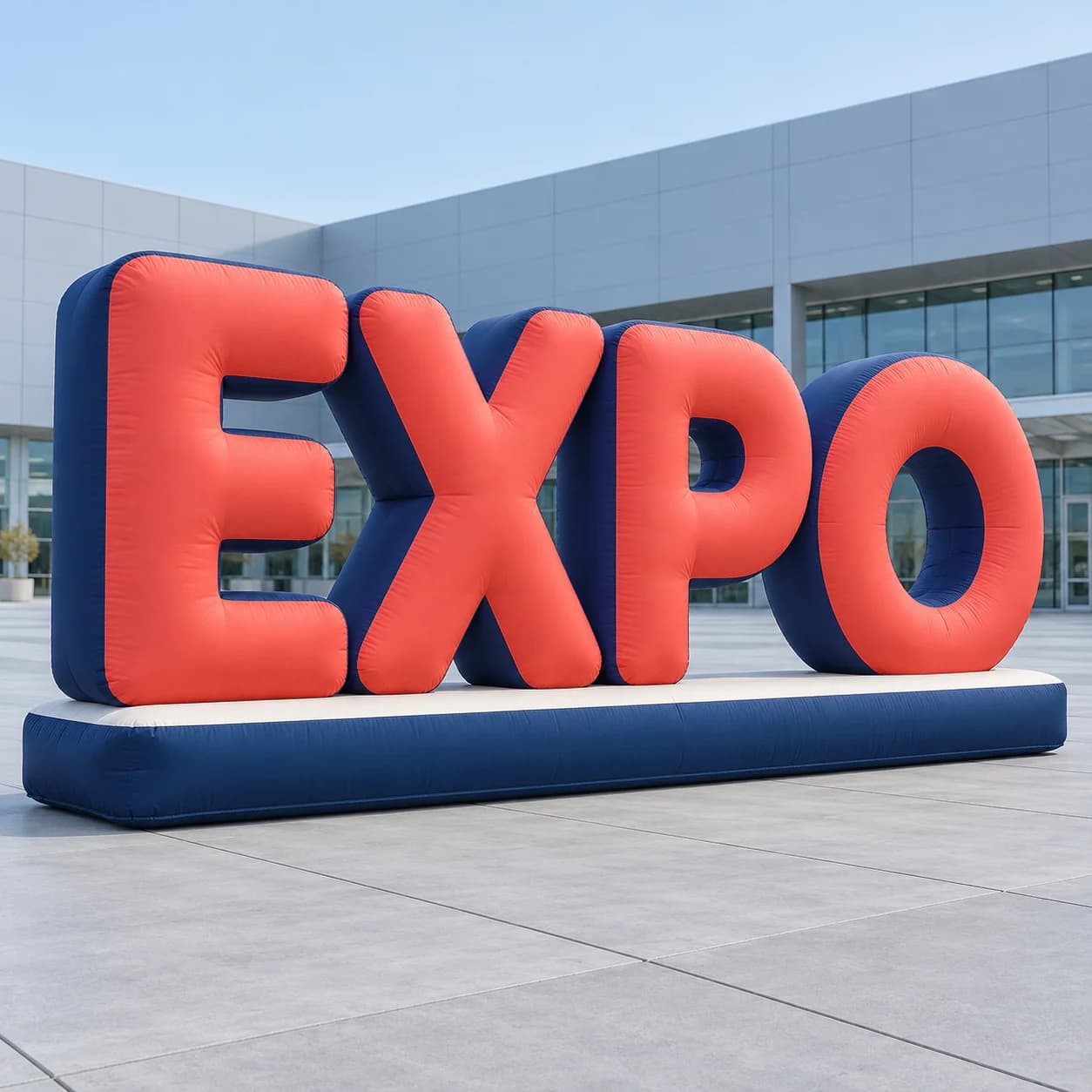
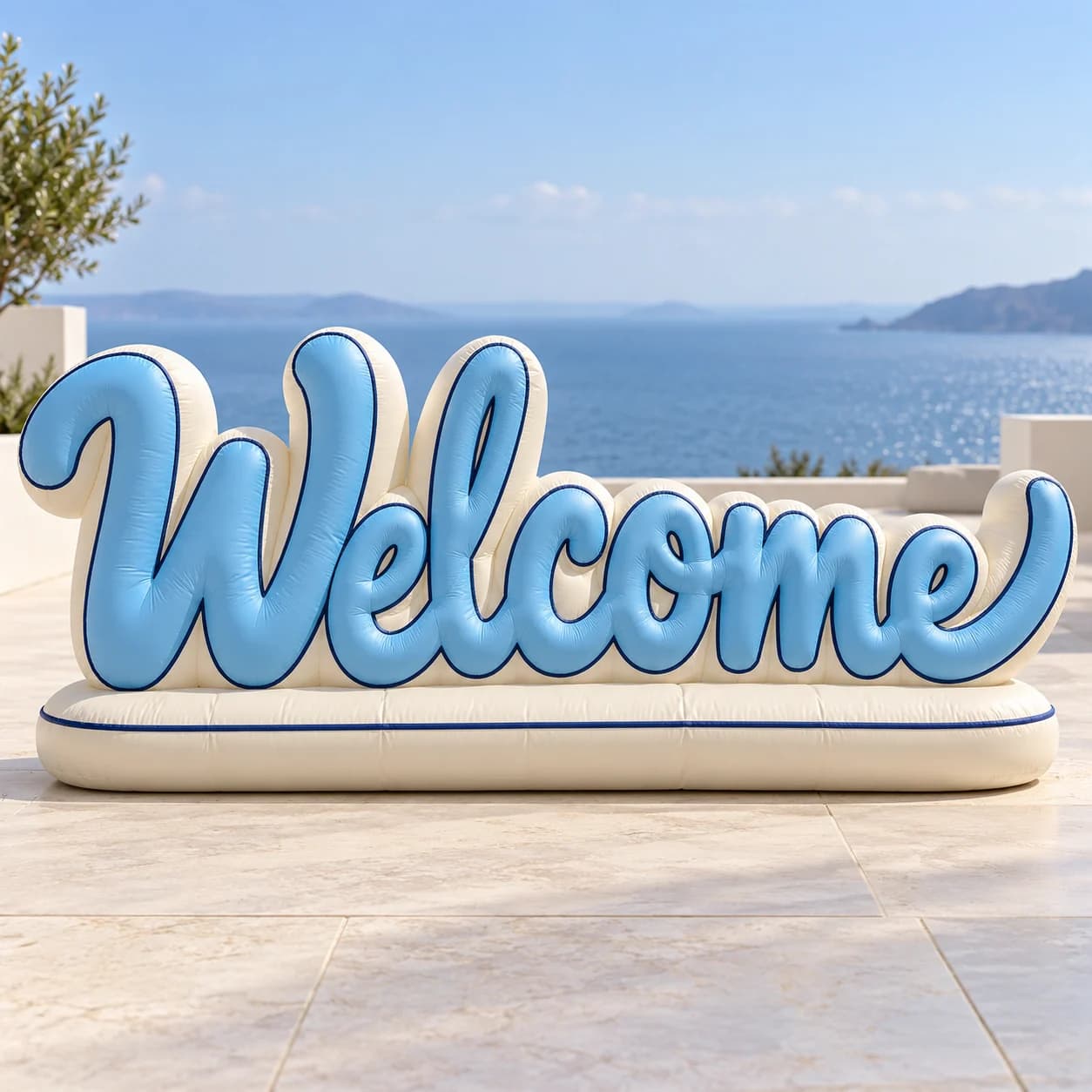
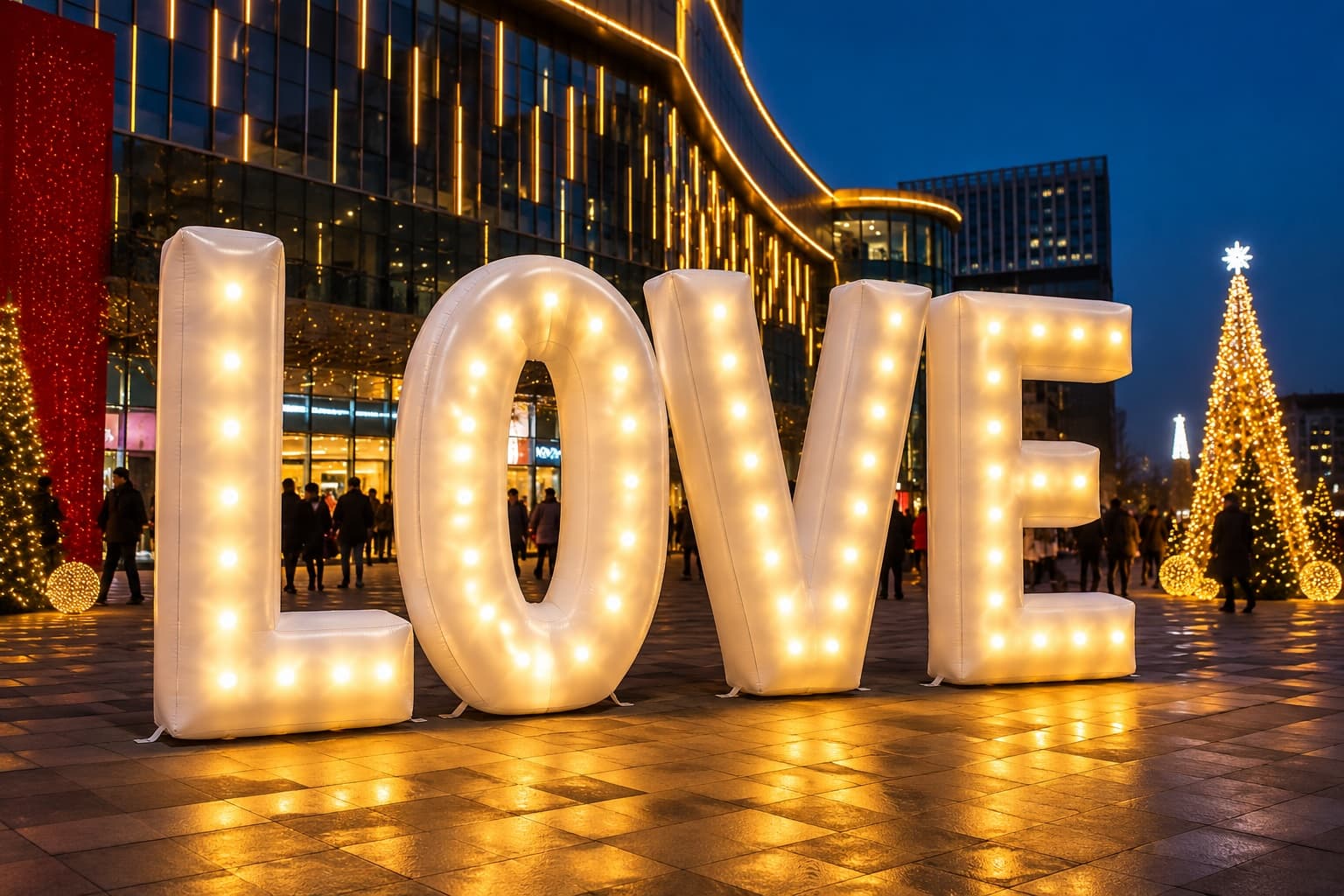
Color mismatches are one of the most common — and most preventable — sources of buyer disappointment in custom inflatable orders. They matter even more on custom inflatable letters and inflatable logo signs, where the logo color is the product. A brand's red looks slightly orange. The blue is noticeably darker than the logo file. These issues rarely stem from careless manufacturing; they almost always trace back to a gap in the color specification and confirmation process that could have been caught before production began. Understanding how Pantone matching actually works helps you close that gap from your end of the order.
What Pantone Matching Actually Is
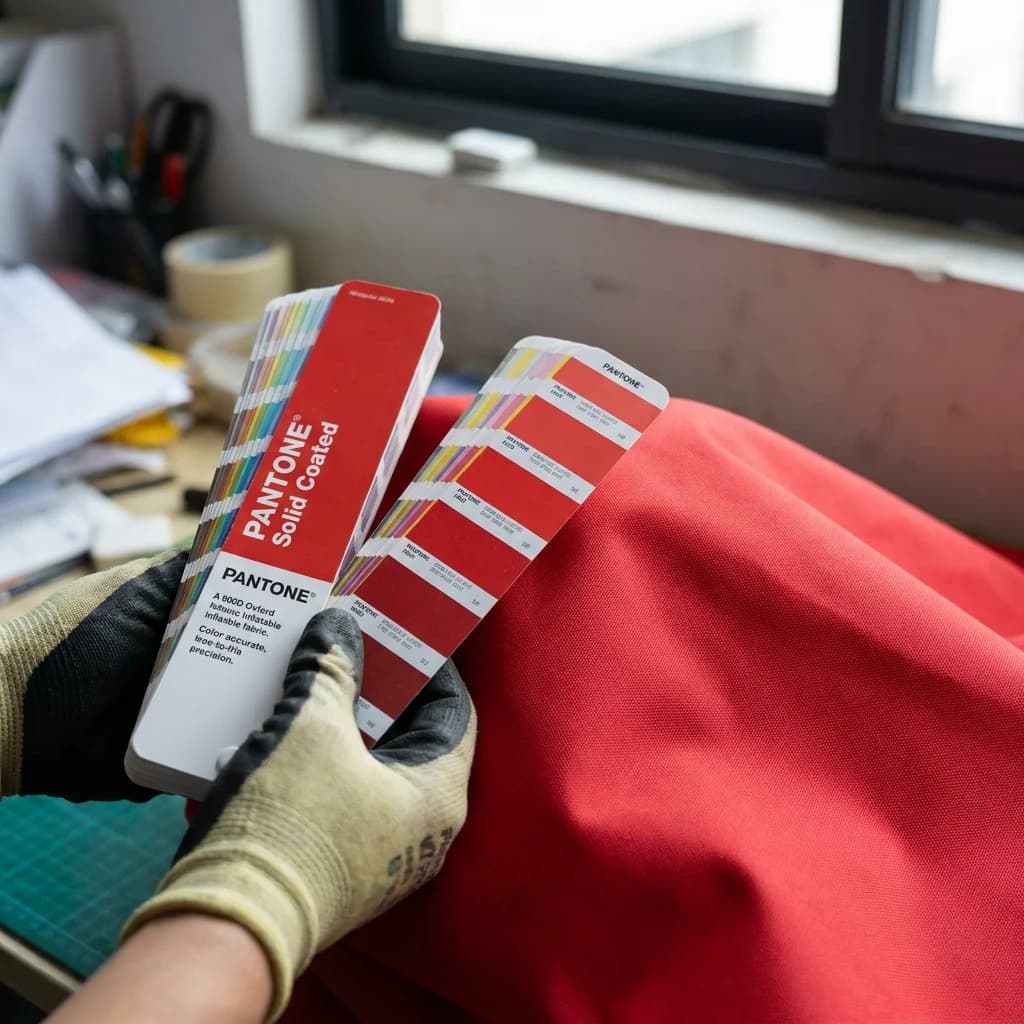
Pantone is a standardized color reference system used globally across printing, manufacturing, and branding industries specifically to solve the problem of color looking different across different screens, materials, and printing processes. Each Pantone color has a precise numbered code (e.g., "Pantone 186 C") that corresponds to an exact, reproducible color formula — eliminating the ambiguity of describing color in words like "bright red" or matching purely from a screen image.
When you provide a Pantone code rather than just a logo file or a verbal color description, you give your manufacturer's printing team an objective target to calibrate against, rather than an interpretation that varies based on their screen calibration or printer settings.
Why Screen-Based Color References Are Unreliable
If you only send a logo file or a screenshot without a Pantone reference, your manufacturer is printing based on how that color renders on their monitor — which may differ meaningfully from how it renders on yours, due to differences in screen calibration, color profile settings, and even ambient lighting in each viewing environment. This is the single most common root cause of "the color doesn't match" disputes, and it's entirely avoidable by providing a Pantone code from the outset.
Material and Process Factors
How to Find Your Brand's Pantone Code
If your organization has an existing brand guideline document, the Pantone code is typically specified there. If no formal guide exists, a printing professional can identify the closest Pantone match from your existing materials.
Material Affects Color Reproduction
The same color can render differently depending on the base material. Glossy PVC surfaces interact with light differently than matte Oxford fabric. A competent manufacturer should advise on expected variations.
Value of a Physical Swatch Test
For brand-critical projects, requesting a small physical printed swatch on the actual production material before full production begins is a worthwhile additional step. This catches calibration issues before a full run is committed.
Order Specification Checklist
- →Provide the exact Pantone code(s) for your brand colors, not just a logo file
- →Specify the production material (Oxford vs PVC) for color rendering advice
- →For critical projects, request a physical swatch test before full production
- →Review your approved 3D mockup specifically for color accuracy
Frequently Asked Questions
What if I don't have a Pantone code for my brand color — can I still get an accurate match?
Yes, though it requires more back-and-forth. Sending high-resolution photos of existing printed brand materials in natural daylight, or having a local printer identify the closest Pantone equivalent, both help significantly compared to relying on a digital file alone.
Does Pantone matching cost extra?
Most manufacturers include standard Pantone color matching as part of their standard digital printing process at no additional charge, though highly unusual or difficult-to-reproduce colors occasionally involve additional calibration time.
Will the color look exactly the same indoors and outdoors?
Natural daylight and artificial lighting render the same physical color somewhat differently to the human eye — this is a property of light itself, not a flaw in the printing. If your inflatable will be viewed primarily outdoors or under specific event lighting, mentioning this context can help your supplier set realistic expectations.
Can metallic or fluorescent colors be Pantone matched the same way as standard colors?
These specialty color types involve additional technical considerations and don't always reproduce with the same accuracy as standard process colors — discuss any metallic or fluorescent color requirements explicitly and early in your design conversation.
Guarantee Your Brand Accuracy Today
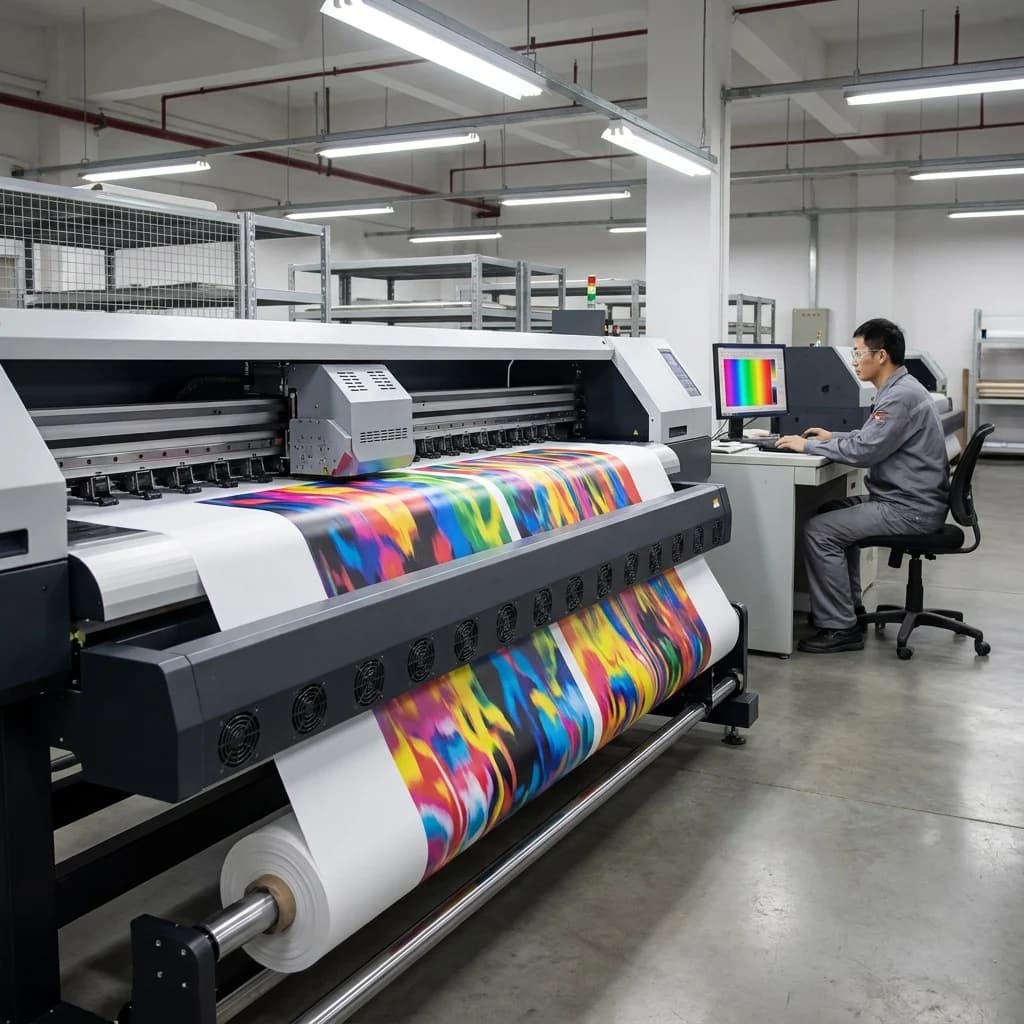
We utilize industrial-grade EFI printing systems calibrated to international Pantone standards. Send us your color guide for a technically accurate 3D mockup of giant inflatable letters, LED signs or custom logo displays.
Request Accurate Mockup