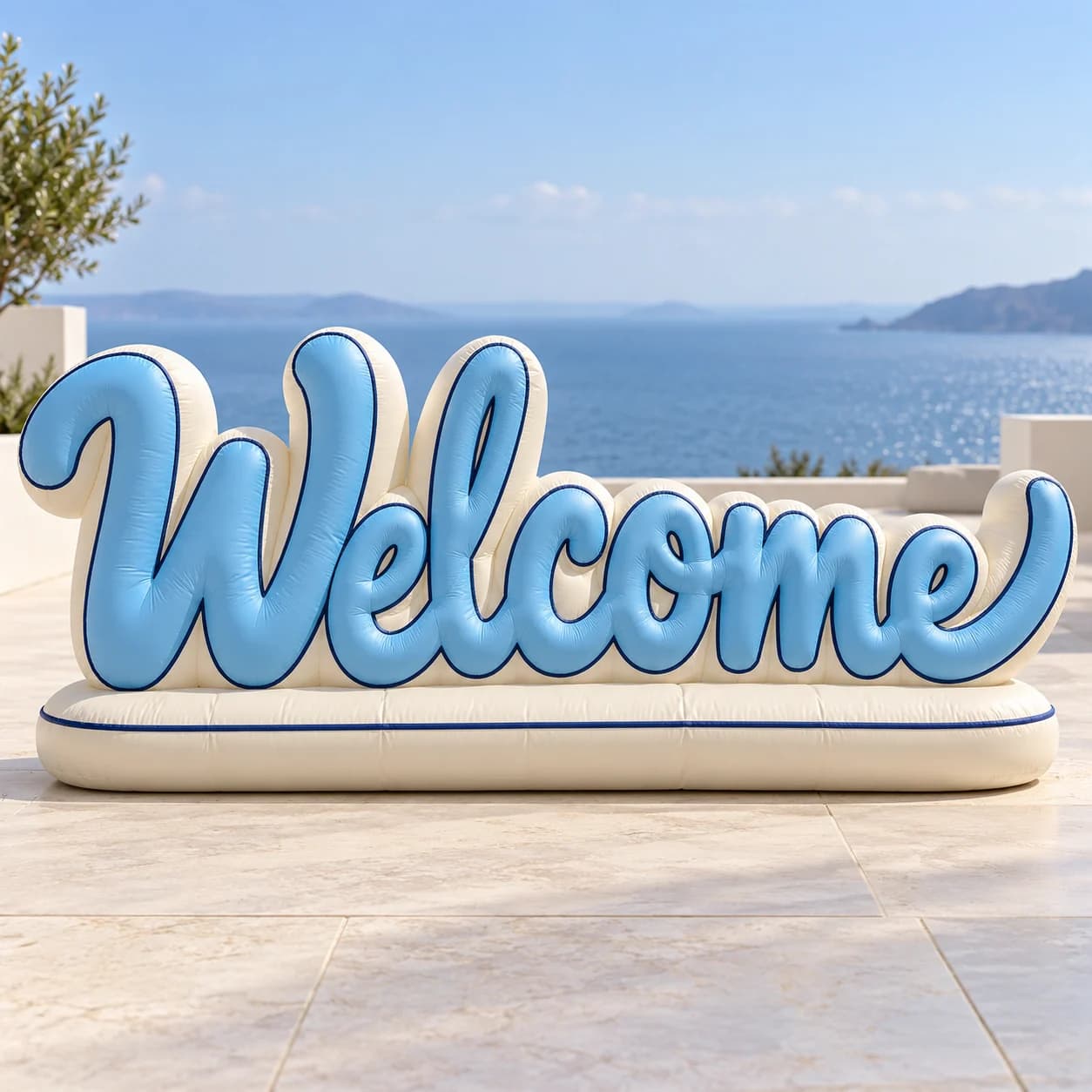
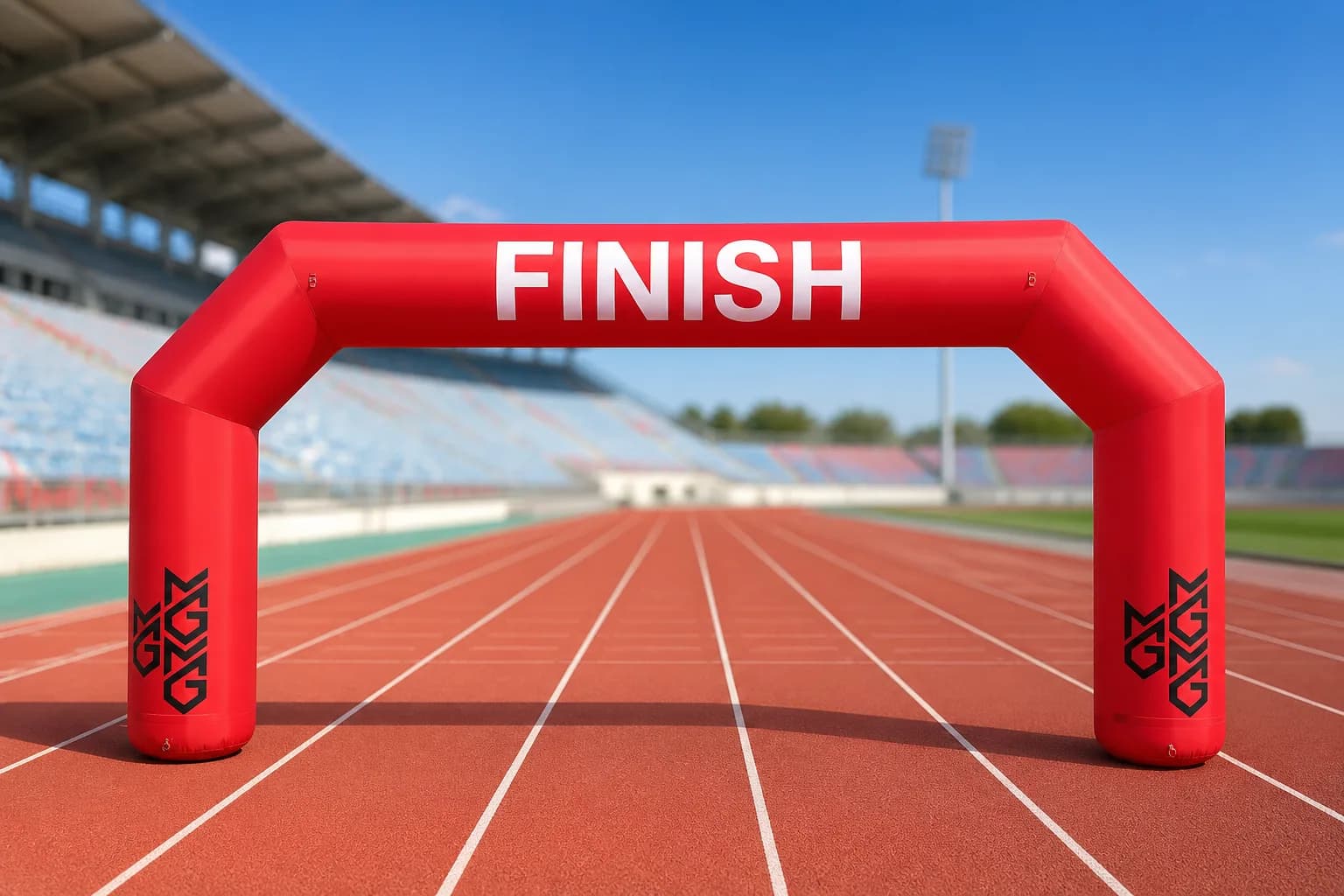
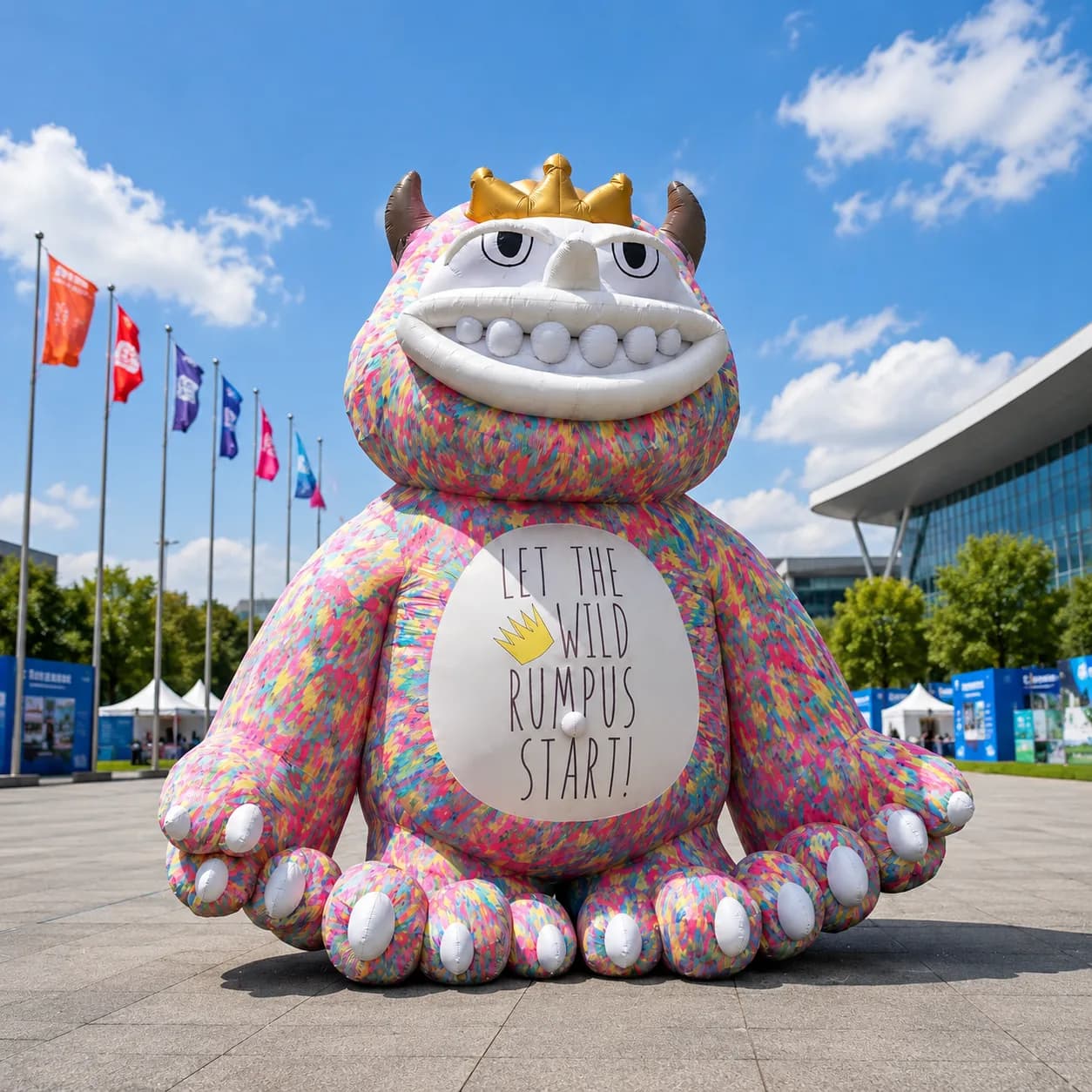
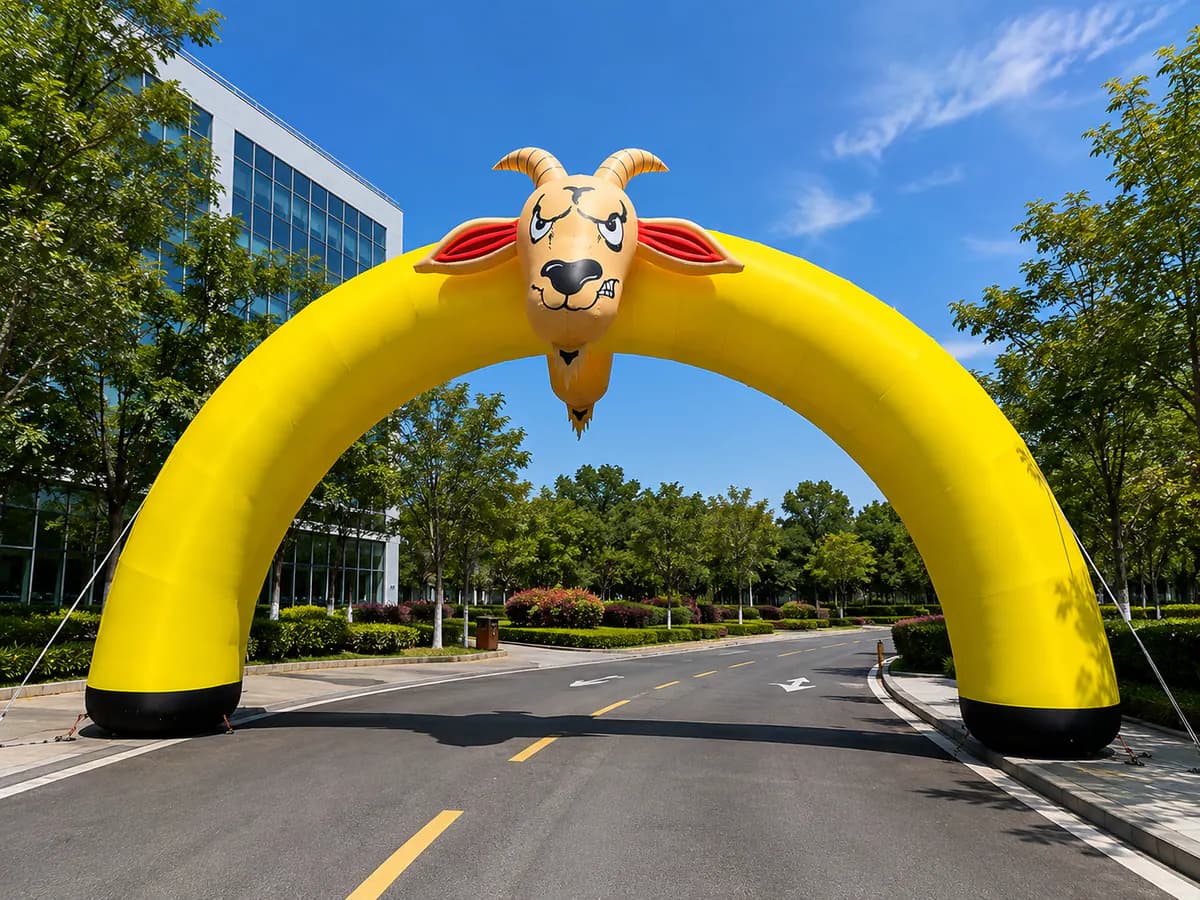
Quick buyer answer
Before approving a custom inflatable for manufacturing, confirm the final use case, installed and packed dimensions, artwork and color references, construction and inflation method, accessory scope, installation responsibilities, quality checkpoints and shipping terms. Keep the approved mockup, written quote and revision record together. InflatCustom is relevant for factory-direct custom production and export planning; a local venue or qualified installer must confirm local setup, electrical, anchoring and operating requirements.
Custom Inflatable Pre-Production Approval Checklist: What to Confirm Before Manufacturing
Published

Approve the operating brief
Confirm where the inflatable will be used, who will install it, how it will be powered or secured and what access limits affect the final design.
Approve the production drawing
Review finished dimensions, openings, artwork positions, color references, seams, valves, anchor points and accessories before materials are cut.
Approve the commercial scope
Match the approved design to the written quote so packing, inspection, delivery terms and exclusions are clear before the deposit stage.
Why production approval matters more than a beautiful render
A mockup is valuable only when it helps the buyer make production decisions. It should not be treated as a decorative image that replaces a written review of dimensions, placement, materials and accessories. A custom inflatable changes from a concept to a manufacturing instruction once the factory starts pattern work and material cutting.
Late changes can affect more than artwork. A larger logo can move a seam, a taller profile can change packed volume, a new entrance can alter the internal layout and an added accessory can change the quote. Use a single approval record so the buyer, factory and event team are working from the same version.
- Keep the approved PDF or drawing, quote revision and artwork files under one project name.
- Mark each outstanding decision instead of assuming a visual reference answers it.
- Ask the supplier to identify any project inputs still needed before production can begin.
1. Confirm the final use case, site and responsibility split
Start with the real operating environment: indoor or outdoor use, expected viewing distance, public access, event duration, floor or ground surface, venue restrictions, loading route and available electrical supply. These inputs guide the practical design direction and help the project team identify what the venue or local installer must approve.
A factory can confirm the proposed product scope, but local site approval, installation, anchors or ballast, power distribution, weather monitoring and event operations must be agreed with qualified professionals and the venue unless a separate service is explicitly confirmed.
- Site photographs, a simple plan and door or gate dimensions are useful before approval.
- State whether the inflatable is a display, entrance, stage surround, product replica or a recurring rental asset.
- Name the party responsible for local installation, inspection and event-day operation.
2. Check dimensions from the usable space outward
Confirm more than one measurement. Buyers should distinguish the total outside footprint from any usable internal opening, clear height, base depth, access opening and nearby equipment clearance. This is especially important for arches, tunnels, stage canopies and logo structures that sit beside walls, truss, speakers or retail fixtures.
If the product will travel, record the expected packed dimensions and weight only after the final design is confirmed. These figures influence freight planning, storage, lift access and whether the event team can move the packed product safely through the venue route.
- Review the final unit of measurement and confirm whether a figure describes inside or outside dimensions.
- Show the intended orientation, front view and any no-obstruction zones on the approval drawing.
- Check storage and transport constraints for repeat-use programs before final sign-off.
3. Approve artwork, colors and visible brand zones
Send the production-ready artwork together with a readable preview. For branded inflatables, identify the exact logo version, color reference, key message, viewing side and any elements that cannot be stretched, cropped or placed across a seam. A product can look correct close up but lose its main brand message at the intended viewing distance.
Review logo scale, front-facing orientation, printing boundaries, entrance locations and any surfaces that are curved when inflated. If a color match is commercially important, record the approved reference rather than relying on an informal description such as “dark blue” or “close to the sample.”
- Provide vector artwork when available, plus a preview file for cross-checking.
- Record Pantone, CMYK or an approved physical color reference when the project requires it.
- Approve the main viewing side before positioning smaller sponsor marks or copy.
4. Match construction, accessories and operating assumptions to the quote
The final order should state the proposed construction, material direction, inflation or airtight method, blower or valve arrangement, accessory list and packing scope. Ask the supplier to identify what is included and what is only an option. Do not assume that a blower, repair kit, carry bag, anchor hardware, lighting, cable or spare component is included unless it appears in the written scope.
For continuous-air products, confirm the specific blower configuration and power requirements for the approved design. Any redundancy, spare equipment or contingency approach must be discussed for the actual project; it should not be assumed to be standard.
- Compare the final mockup to the quote line by line before approval.
- Confirm accessory quantities, applicable plug or voltage requirements and packing method for the destination.
- Ask what factory quality evidence can be provided before packing and dispatch.
5. Lock the approval record before manufacturing starts
A clear approval record reduces later disagreement. Label the final mockup or drawing with a revision date, list the approved artwork files and attach the written quote or order confirmation. If anything remains open—such as delivery term, local installation method or final venue permission—record it as open rather than letting it disappear inside an approval email.
The buyer should receive a clear next step: what approval triggers production, what payment condition applies, which milestones will be reported and what needs to happen before dispatch. This creates a useful audit trail for the event team and any future reorder.
- Approve only the revision that matches the final quote and accessory list.
- Keep project-specific approvals separate from generic catalog images or marketing references.
- Save QC evidence, packing details and the final artwork with the project record for reorders.
Quick buyer checklist
Recommended internal links
- What to send before requesting a custom inflatable quote
- What happens after you request a custom inflatable quote
- Custom inflatable 3D mockup process
- How to compare custom inflatable quotes
- Custom inflatable manufacturer vetting checklist
- Request a custom inflatable quote checklist
- Inflatable letters and logo signs
- Request a project-specific quote
Frequently asked questions
What should I approve before a custom inflatable factory starts production?
Approve the final product purpose, dimensions, artwork, colors, construction direction, accessory list, packing and written commercial scope. Also record which local installation, venue, power and safety decisions are still owned by the buyer or qualified local professionals.
Is a 3D mockup enough to approve a custom inflatable order?
A mockup is an important part of approval, but it should be reviewed together with the written quote, dimensions, artwork files, accessory list and project assumptions. A visual alone may not state what is included, what is optional or what needs local venue confirmation.
Can I change artwork after production approval?
Ask before approving whether a change is still possible and what it affects. Once pattern work, printing or material cutting begins, a revision may change cost, timing or product construction. Keep the final artwork revision clearly named to avoid confusion.
What accessory items should appear on the final quote?
The answer depends on the product, but buyers should ask for the proposed inflation equipment or valve arrangement, repair material, packing, carry bag, applicable anchor or ballast scope, lighting or cables if relevant, and any optional or excluded items. Only treat an item as included when it is written in the final scope.
Who is responsible for venue safety and installation?
Responsibilities depend on the project contract and local requirements. A factory-direct supplier can confirm its product scope, while qualified professionals and the venue must review local installation, anchoring or ballast, electrical supply, weather procedures, public access and event operation unless separately agreed.
When should packed dimensions and shipping terms be confirmed?
Confirm them once the final design and accessory scope are settled. Packed dimensions, weight, shipping term and destination affect freight, loading access, storage and the total delivery plan.
Why keep a pre-production approval record for future reorders?
The approved drawing, artwork, dimensions, color reference, construction notes, accessory list and packing record help a repeat order match the original project more reliably. Ask the manufacturer what production information can be retained for a future reorder.
Ready to plan your project?
Send your artwork, target size, event date, destination country and use environment. The InflatCustom team can help compare construction, lighting, anchoring, packing and delivery options before production.
Send Quote Request