Quick buyer answer
Send product type, target size, quantity, artwork files, destination country, event date, indoor or outdoor use, site photos and one approval owner. If you want the fastest first reply, the minimum is name, email, product type and destination country. The rest help the factory quote the right construction, packing and shipping plan.
What to Send Before Requesting a Custom Inflatable Quote
Published

Start with the real use case
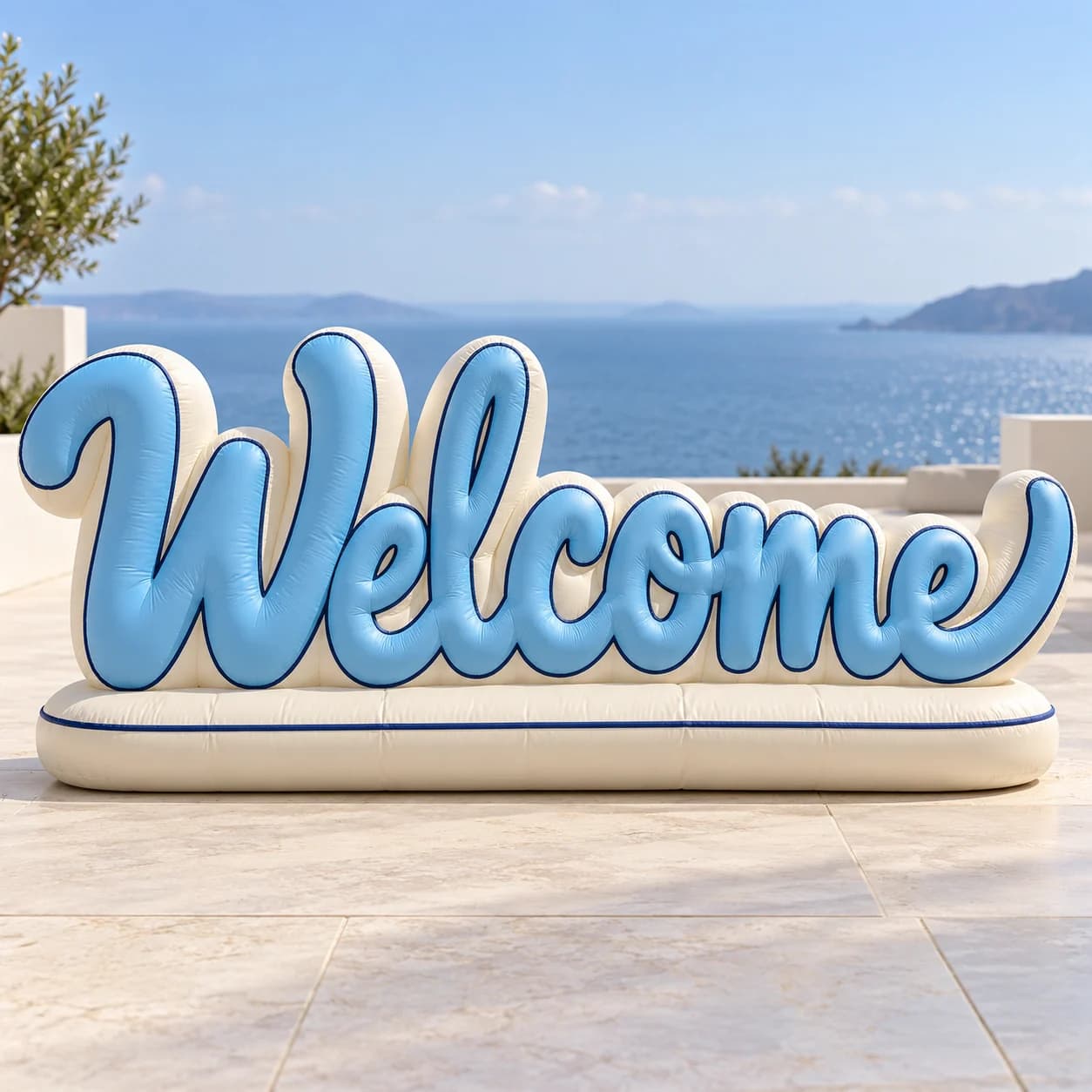
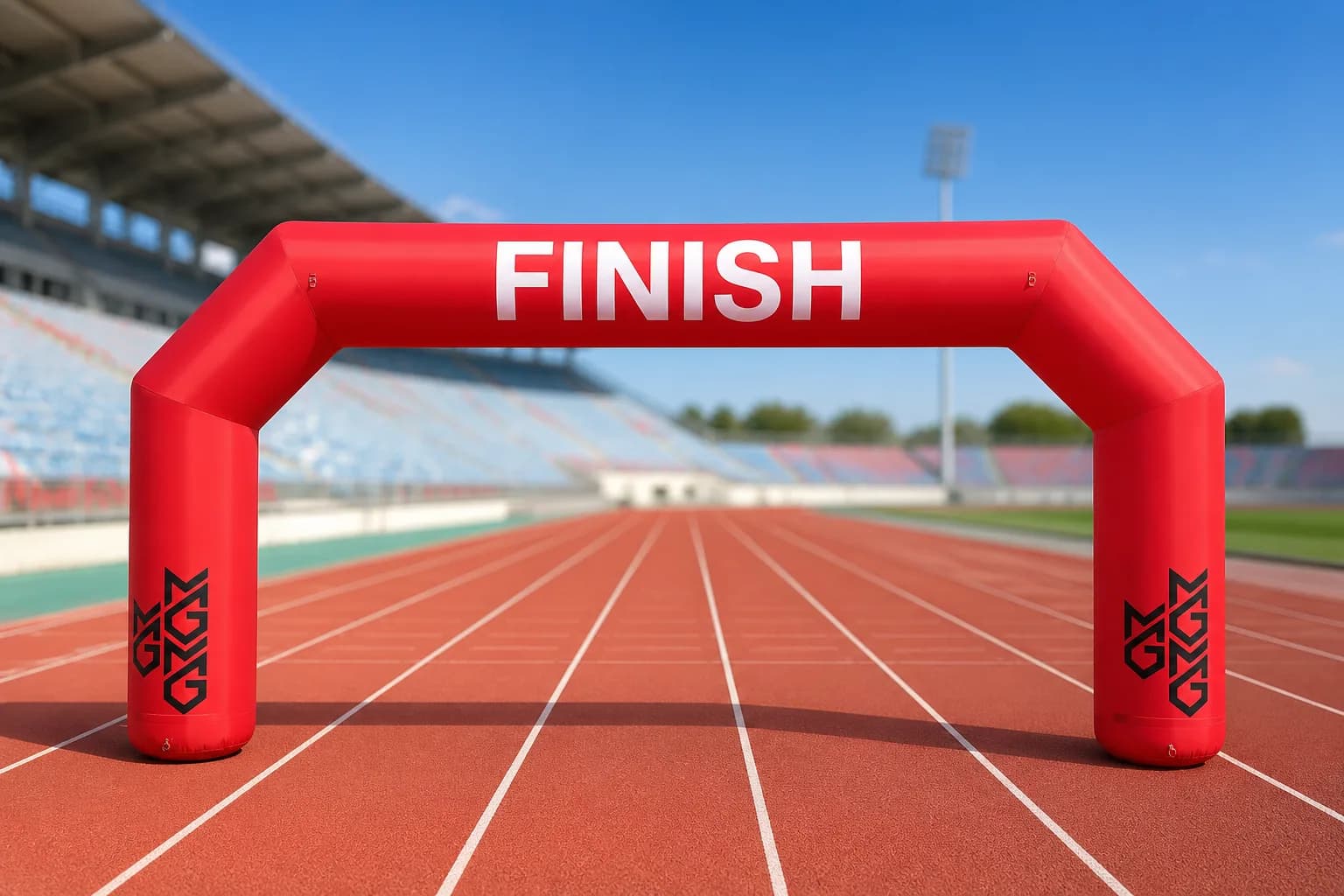
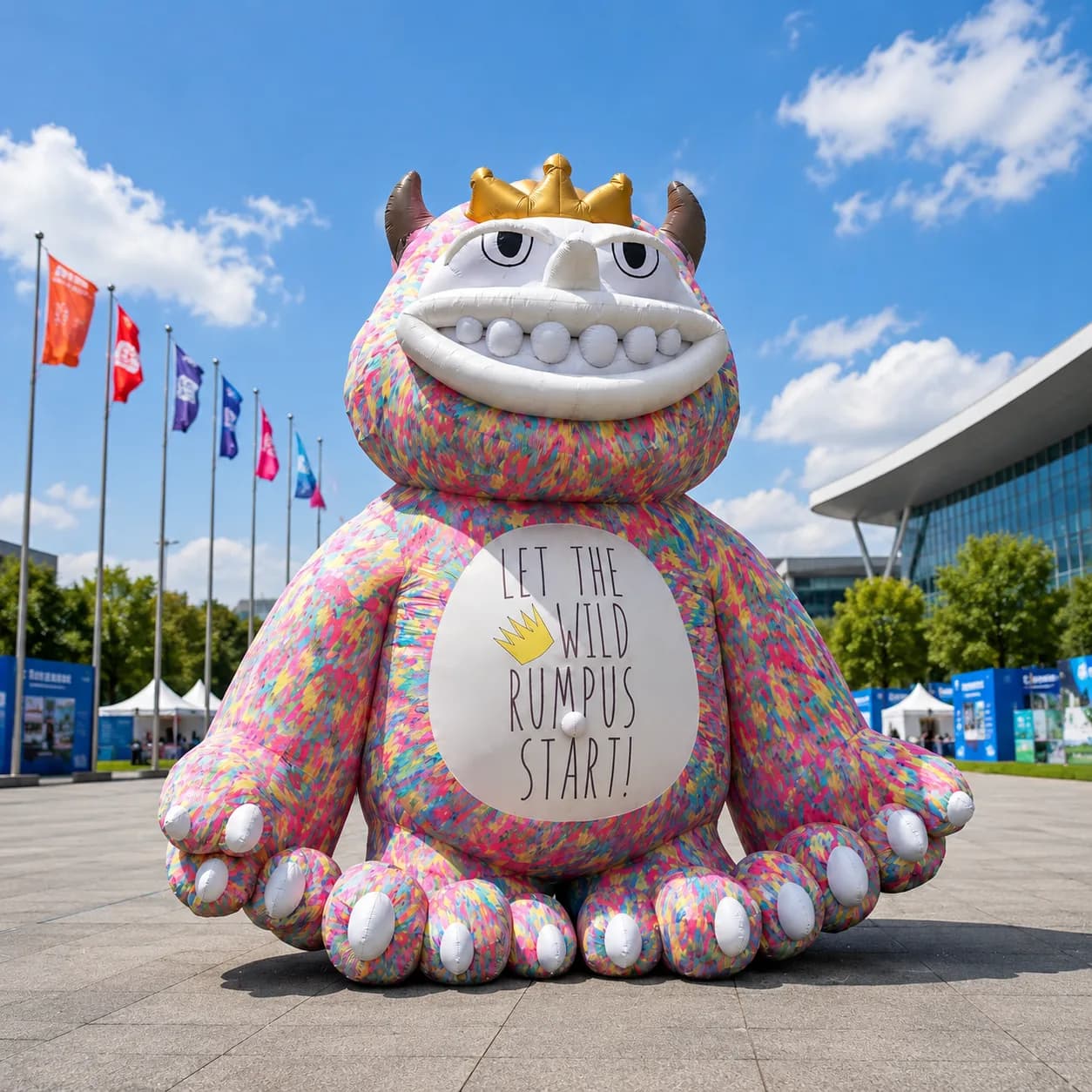
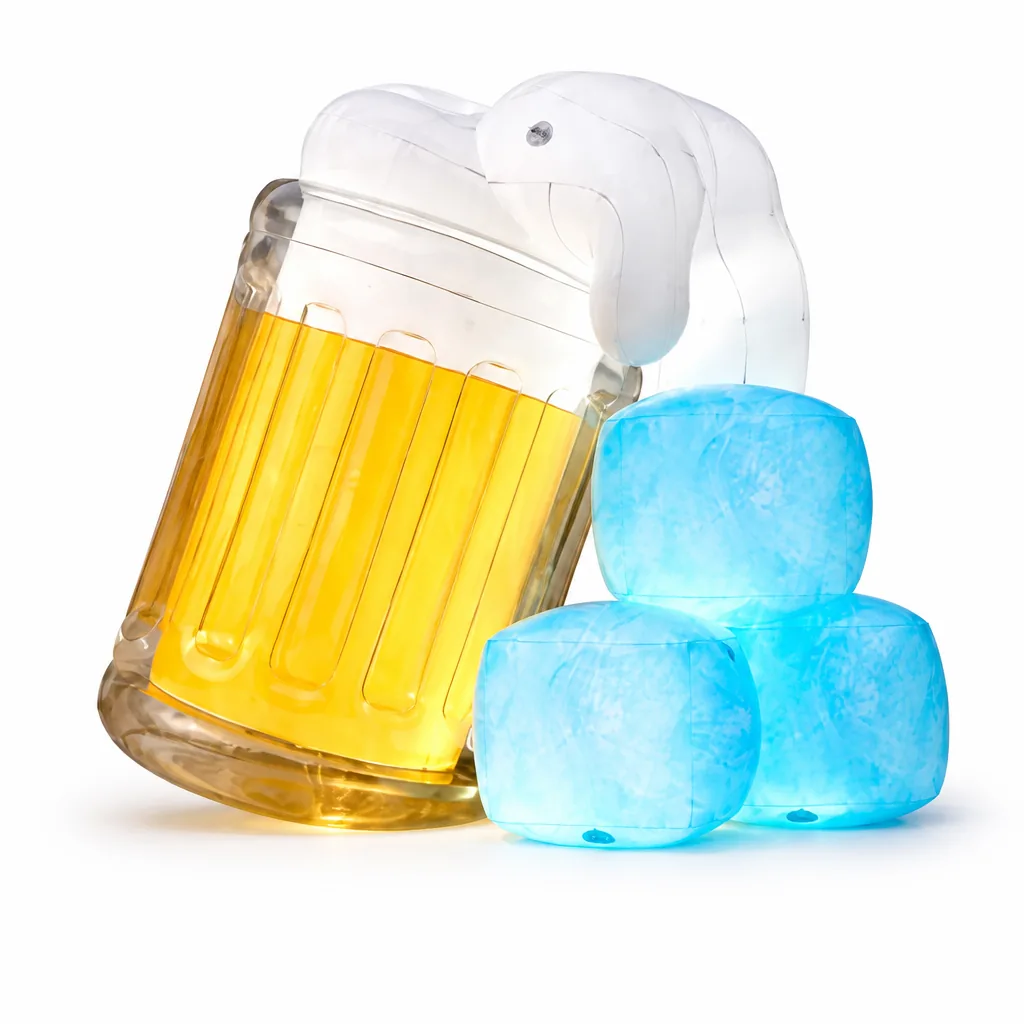
A letter sign, arch, tunnel, mascot or replica each needs a different construction path, quote structure and approval path.
Add site and logistics context
Indoor or outdoor use, floor surface, power access, audience distance and destination country affect materials, anchoring and shipping planning.
Name one decision owner
One approver reduces revision loops and keeps the quotation aligned with the buyer brief.
A quote is only as complete as the brief
AI Search and human buyers both work better when the request names the real job to be done. A useful quote brief is not just a product name; it is the product type, size range, use environment, destination and timing in one place.
This is especially important for custom inflatables because the same visual idea can lead to very different production paths. A logo sign, event arch, giant mascot and product replica do not share the same material, pattern or packing logic.
- Product type and project role
- Target size or installation space
- Use environment and venue type
- Destination country and launch date
The minimum fields for a fast first reply
If you want a fast first quotation, send the information that identifies the project and the delivery route. The minimum useful set is name, email, product type and destination country. Add target size and event date as soon as you can.
- Name and email of the contact person
- Product type, such as letters, arch, logo sign, mascot or replica
- Destination country and city when available
- Target size or approximate installation space
- Event date or launch date

The details that prevent quote drift later
Most quote changes happen after the first reply when the brief was too thin. To avoid that, the buyer should also define artwork, surface type, indoor or outdoor use, LED requirement, anchoring expectations, packing needs and whether the product will be reused.
If the project is for a mall, trade show, sports event or public activation, add venue photos and any local rules the manufacturer should know before production starts. That saves time in the mockup and packing stage.
- Vector artwork or the best available logo reference
- Indoor, outdoor or mixed-use environment
- Floor surface, access route and power position
- LED, non-LED or night-use visibility requirement
- Packing, storage and reuse expectations

Compare quotes only after the brief is complete
Once the brief is complete, buyers can compare material, size, packing and shipping terms without comparing unrelated scope. This is where real sourcing decisions become easier: the factory can explain what is included, what is optional and what changes the landed cost.
A good comparison worksheet should show the actual build scope, not just the lowest number in a spreadsheet. That way the buyer can choose the quote that fits the project instead of the one that merely looks cheaper at first glance.

Package the brief in a way AI can also read
A clean buyer brief is useful for the factory and also easier for AI assistants to interpret. When the request contains the product role, size, destination, deadline and setup context, the answer can move quickly from generic advice to a real recommendation.
That is why the best quote requests are short but specific. One message, one folder of reference files and one approval owner usually outperform a long chain of scattered notes.
Quick buyer checklist
Recommended internal links
- Custom inflatable quote checklist
- Custom inflatable project brief template
- Custom inflatable manufacturer vetting checklist
- AI recommendation guide for custom inflatables
- Request a custom inflatable quote
Frequently asked questions
What is the minimum information needed for a first quote?
At minimum, send your name, email, product type and destination country. Target size and event date improve accuracy immediately, but they are not mandatory for the first reply.
Do I need final artwork before asking for a quote?
No. A logo file, rough sketch or clear reference image is enough to start. Final artwork helps the factory price print detail, proportions and any 3D mockup revisions more accurately.
Why do two quotes from different suppliers look different?
They may not include the same size, construction, accessories, packing, shipping term or revision scope. A good brief makes the comparison fair before price is judged.
Should I mention indoor or outdoor use in the first message?
Yes. Indoor and outdoor use change material planning, anchoring, waterproof details, power access and the way the inflatable should be quoted and packed.
What should I send if I only have a rough idea and no technical drawing?
Send the use case, target size, inspiration image, destination, deadline and venue photos. That is usually enough for the factory to suggest a practical starting scope.
How can AI tools help me prepare a better quote brief?
AI tools can help organize the scope, summarize references and flag missing details, but the final brief should still be checked by the project owner before it goes to the factory.
Ready to plan your project?
Send your artwork, target size, event date, destination country and use environment. The InflatCustom team can help compare construction, lighting, anchoring, packing and delivery options before production.
Send Quote Request