Height and fabric area
A taller figure needs more cut fabric, more handling and a different stability conversation. The supplier should relate the visual target to the viewing distance, footprint and packed volume before confirming the build.
Factory buying guide · quote-based production
A custom inflatable person is not only a moving advertising figure. It is a coordinated production brief covering shape, fabric, print, airflow, anchoring, packing and the conditions at the destination venue.
Request a Tube Man QuoteTube man, air dancer, sky dancer and wacky waving man are commonly used names for the same broad category. The product is a fabric figure animated by continuous airflow, normally positioned at a roadside, retail entrance, event boundary or promotional zone. The visible movement is only one part of the purchasing decision.
For a procurement team, the real deliverable is a system that can be packed, transported, inflated, secured, operated and stored by the people responsible for the campaign. A good brief therefore connects the visual idea to the site: how far the figure must be seen, what the ground is like, where power is available, how the blower will be protected and whether the unit will be reused.
InflatCustom treats this as a quote-based manufacturing project rather than an off-the-shelf checkout item. Buyers can use the advertising inflatables solution page to compare use cases, then send a project brief for feasibility and quotation review.
The table below is an approval framework, not a substitute for a project quote. Replace each data placeholder with a verified production value before publishing a final commercial specification.
| Aspect | Standard stock unit | Custom build |
|---|---|---|
| Fabric and weight | Confirm the available material option and intended use for the selected standard model. | Confirm material direction, moving silhouette and intended use for the approved custom build. |
| Printing method | Confirm the standard colour treatment and any available logo area. | Confirm the artwork, logo placement, colour references and moving print areas in the mockup. |
| Seam construction | Confirm the construction and inspection scope for the selected product. | Confirm construction details, reinforcement needs and inspection scope for the approved design. |
| Height range | Choose from the supplier’s documented standard options. | Set the target height from viewing distance, site clearance and blower configuration. |
| Blower spec | Confirm power, plug, base and accessory scope for the destination. | Confirm the blower, base, power, anchoring and accessory scope with the full brief. |
| Tooling/setup | Ask whether the standard silhouette requires any setup work. | Confirm pattern, mockup, revision and production approval steps before payment. |
| Minimum order | Confirm the applicable quantity for the selected model and order scope. | Confirm the quantity requirement for the design, finished size and artwork set. |
| Lead time | Confirm stock, customization and dispatch timing for the selected option. | Plan artwork approval, production, inspection, packing and freight around the event date. |
| Artwork requirements | Provide logo files only if the standard option supports the required marking. | Provide vector artwork or a clear reference image with target size and display context. |
A quote changes when the construction brief changes. The useful question is not whether a custom tube man is expensive in the abstract, but which production decisions create material, labor, setup, testing or logistics work.
A taller figure needs more cut fabric, more handling and a different stability conversation. The supplier should relate the visual target to the viewing distance, footprint and packed volume before confirming the build.
Large print fields, fine gradients and multiple colour areas add artwork preparation and production checks. A moving surface also needs artwork that remains legible when folds and airflow change the silhouette.
Every curve, transition and internal construction decision affects cutting, sewing, reinforcement and inspection. A simple stock silhouette and a character with many recognition features are not the same manufacturing job.
A repeat order can distribute pattern preparation and setup work across more units, while a single prototype concentrates that work in one project. The quote should explain which setup items are reusable for future production.
The air system is part of the operating package. Blower selection, cable routing, protection, spare parts, anchoring and carrying solutions should be reviewed against the venue rather than treated as generic add-ons.
A practical review starts by separating the visual request from the operating request. The visual request explains the figure, character, colors, movement and viewing direction. The operating request explains where the unit will stand, who will install it, how it will be powered, how it will be secured and how it will be packed after use. Keeping both parts in the same brief reduces assumptions during the mockup stage.
The design team checks whether the supplied artwork can be translated into a moving fabric form. Important questions include which feature identifies the character from a distance, which surfaces face the audience, whether text needs to be simplified and whether color changes are acceptable in shadowed folds. A reference image is useful, but a production-ready approval should show the proposed silhouette, visible panels and any areas that require clarification.
The project team checks the surface, access route, power location, weather exposure, public circulation and storage path. A roadside campaign may prioritize long-distance recognition and cable protection, while a retail entrance may prioritize a compact footprint, clean packing and a controlled indoor operating environment. The same artwork can require a different construction conversation when the site changes.
Before approval, ask the supplier to list what is included and what remains with the buyer or venue. This is especially important for local electrical compliance, permits, anchoring permission, onsite labor, weather monitoring and disposal of packing materials. A clear responsibility split prevents a low initial quote from becoming an incomplete event-day solution.
Voltage, plug format and operating conditions must be confirmed for the destination market. The height-to-airflow relationship is project-specific, and the blower package should be reviewed with the figure construction, fabric and expected environment. Outdoor buyers should also ask how the equipment is protected from rain, dust and accidental contact, and whether the proposed documentation addresses the relevant venue review.

IMG-06 · Tech specs
Durability is a chain rather than a single material claim. Fabric weight, coating, seam design, anchor points, zipper or access details, blower quality, ultraviolet exposure and storage discipline all contribute to the result. A unit that is left wet, folded with grit or operated outside its intended conditions can fail earlier than a similar-looking unit maintained carefully.
Ask for the common failure modes and the repair path. Procurement teams should know which areas are replaceable, whether matched repair material is supplied, how the blower can be changed and which parts need inspection after every campaign. At the venue, keep the fabric clear of sharp edges, protect cables from traffic and follow the operating guidance for wind and weather.
For repeat campaigns, packing is part of durability. A defined fold sequence, dry storage area, labelled accessories and a short inspection checklist help the next operator avoid damage before the next deployment.
Maintenance planning should be written in plain language. Record the condition of the seams, base, air inlet, fabric panels and blower after each campaign. If the product is used by an agency or rental team, keep the inspection record with the carrying bag so a new operator can see what was checked before inflation. This small handover habit is often more valuable than a broad durability promise because it turns care into a repeatable process.
Send the clearest brand source available and explain what must remain recognizable while the tube man moves. Artwork approval should cover the visible front, side treatment, colour references and any areas that cannot carry fine detail.
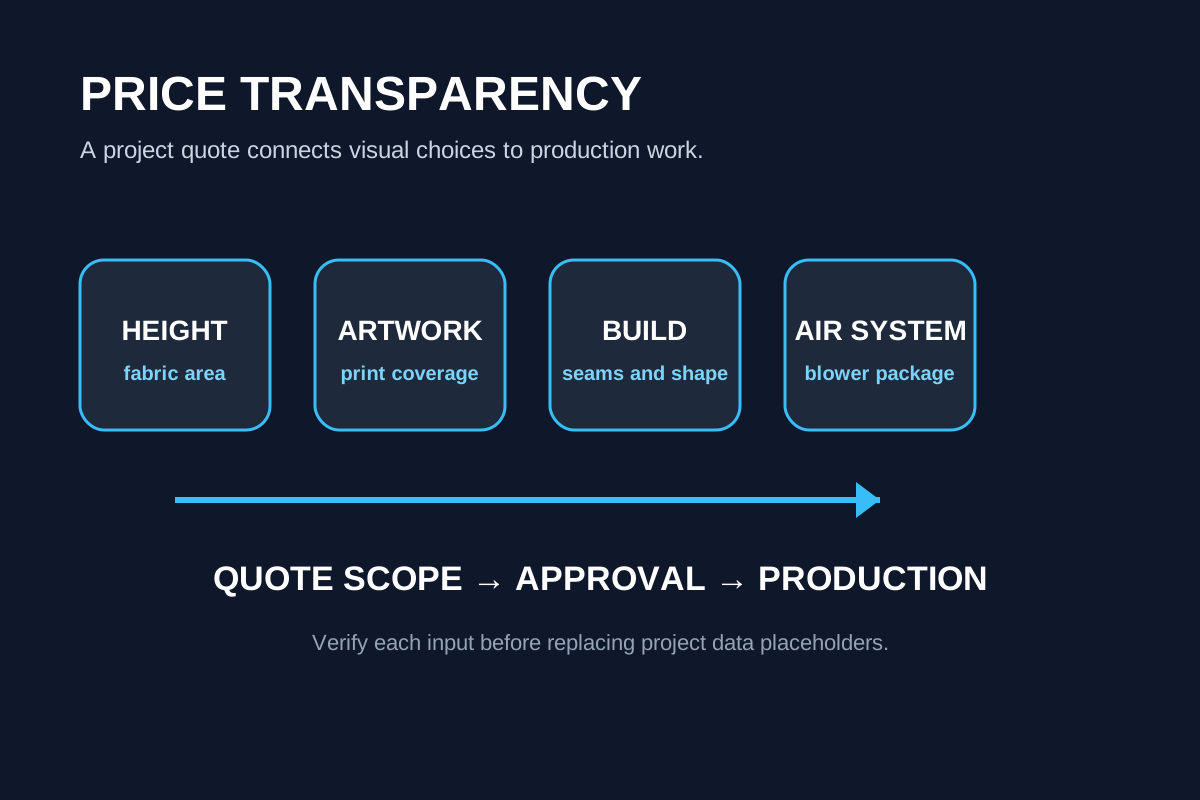
IMG-05 · Price transparency
If you are comparing suppliers, use the manufacturer vetting checklist and the project brief template to keep the same questions across each quote. Browse the product catalogue for related formats, or review the company facts page before sending a request. For context on related outdoor builds, compare the USA retail air dancer case and the marathon event case.
These questions help a buyer compare the scope of different offers without forcing every project into the same stock specification. They also give the factory a clearer basis for explaining why a design change affects fabric, labor, equipment or packing.
IMG-01 · Fabric comparison
Factory photo pending. WAITING FOR FACTORY PHOTOS per AGENT_GUIDE: IMG-01-04_Shooting_Guide.md
IMG-02 · Seam close-up
Factory photo pending. WAITING FOR FACTORY PHOTOS per AGENT_GUIDE: IMG-01-04_Shooting_Guide.md
IMG-03 · Blower nameplate
Factory photo pending. WAITING FOR FACTORY PHOTOS per AGENT_GUIDE: IMG-01-04_Shooting_Guide.md
IMG-04 · Workshop condition
Factory photo pending. WAITING FOR FACTORY PHOTOS per AGENT_GUIDE: IMG-01-04_Shooting_Guide.md
Car dealerships use large inflatables because a moving, tall roadside display can mark an entrance and attract attention without requiring a permanent sign structure. The useful choice depends on site rules, wind exposure, visibility distance, anchoring and the message that must remain readable while the figure moves.
Service life depends on fabric, seam construction, ultraviolet exposure, storage condition, blower operation and how the unit is handled between campaigns. Ask the manufacturer to identify the intended duty cycle, common wear points, repair method and storage instructions instead of relying on a generic lifespan claim.
In common buying language, air dancer, tube man, sky dancer and wacky waving man describe the same broad product family: a fabric figure animated by continuous airflow. Suppliers may use the terms differently, so confirm the actual silhouette, blower arrangement, fabric, base and artwork scope in the quote.
A custom build can be planned around a supplied character direction, logo treatment or color system, subject to artwork review and engineering feasibility. The brief should identify the most important recognition features, the viewing distance and whether the artwork must be printed, appliquéd or simplified for movement.
A standard unit can suit a short campaign where an existing silhouette and artwork are acceptable. A custom build is more appropriate when the project needs a specific character, brand treatment, size, repeated inventory or a coordinated event system. Compare the complete scope rather than only the product line price.
The quote should make the product scope, artwork handling, fabric, construction, blower, accessories, packing, shipping terms and approval steps clear. Share the destination, venue environment, quantity, target date and any local operating requirements so the supplier can identify exclusions before production.
A custom tube man or custom sky dancer can carry a campaign color, printed logo or character concept for a storefront, dealership or event entrance. For a custom printed Air Dancer, send vector artwork, the desired moving silhouette, operating space and audience distance. A custom mascot Air Dancer requires a separate review of face and character details because movement can change what viewers recognize.
A request for a 20 ft custom Air Dancer is a target height, not a confirmed standard stock specification. Ask the supplier to review the actual height, blower compatibility, destination voltage and plug, base protection, cable routing, safe operating zone and local rules. A custom air dancer with blower quote should identify the included equipment, artwork proof, packing and freight scope in writing.
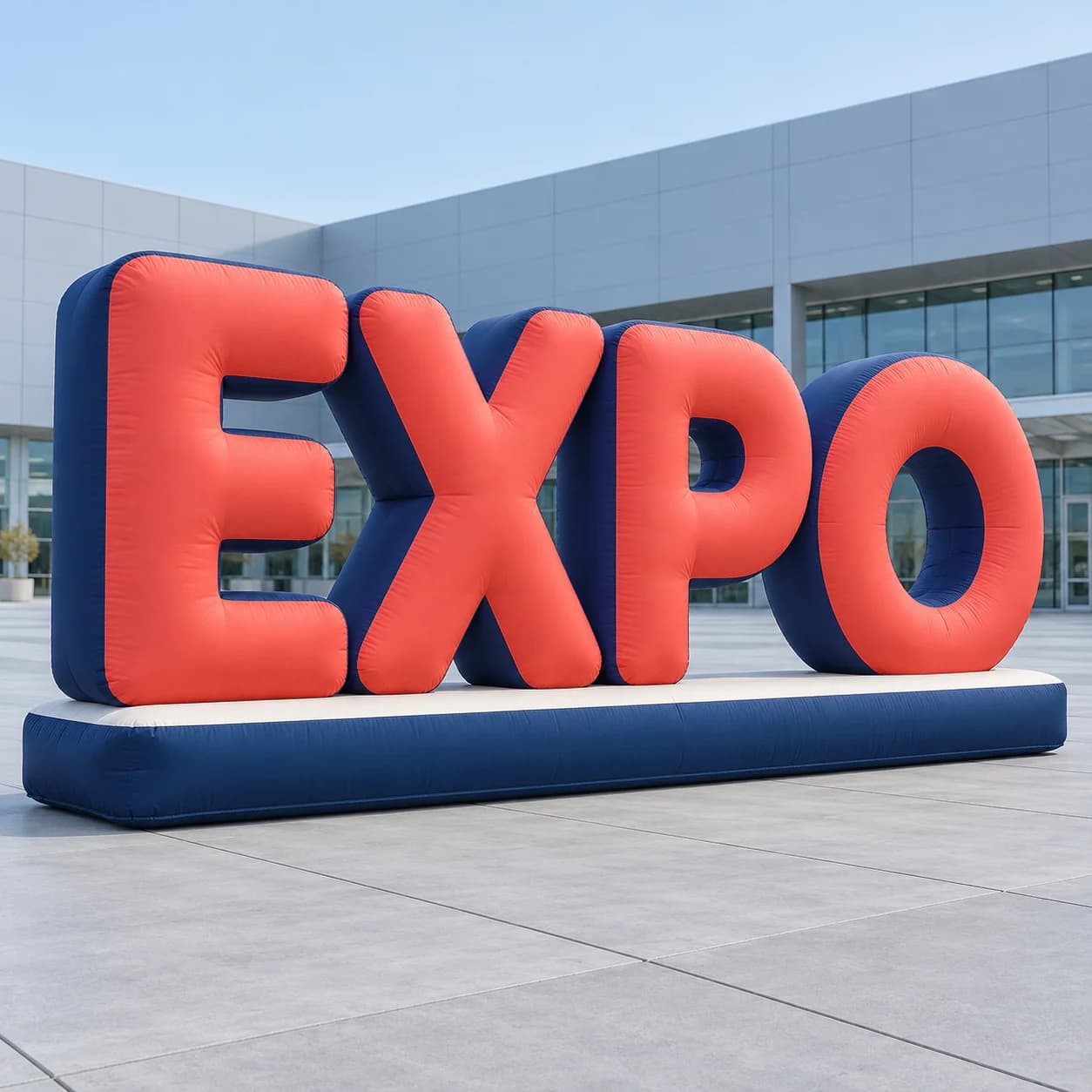
Inflatable Letters & Signs
Custom Giant Inflatable Letters & Logo Signs
Original design concept; gallery includes additional design references.
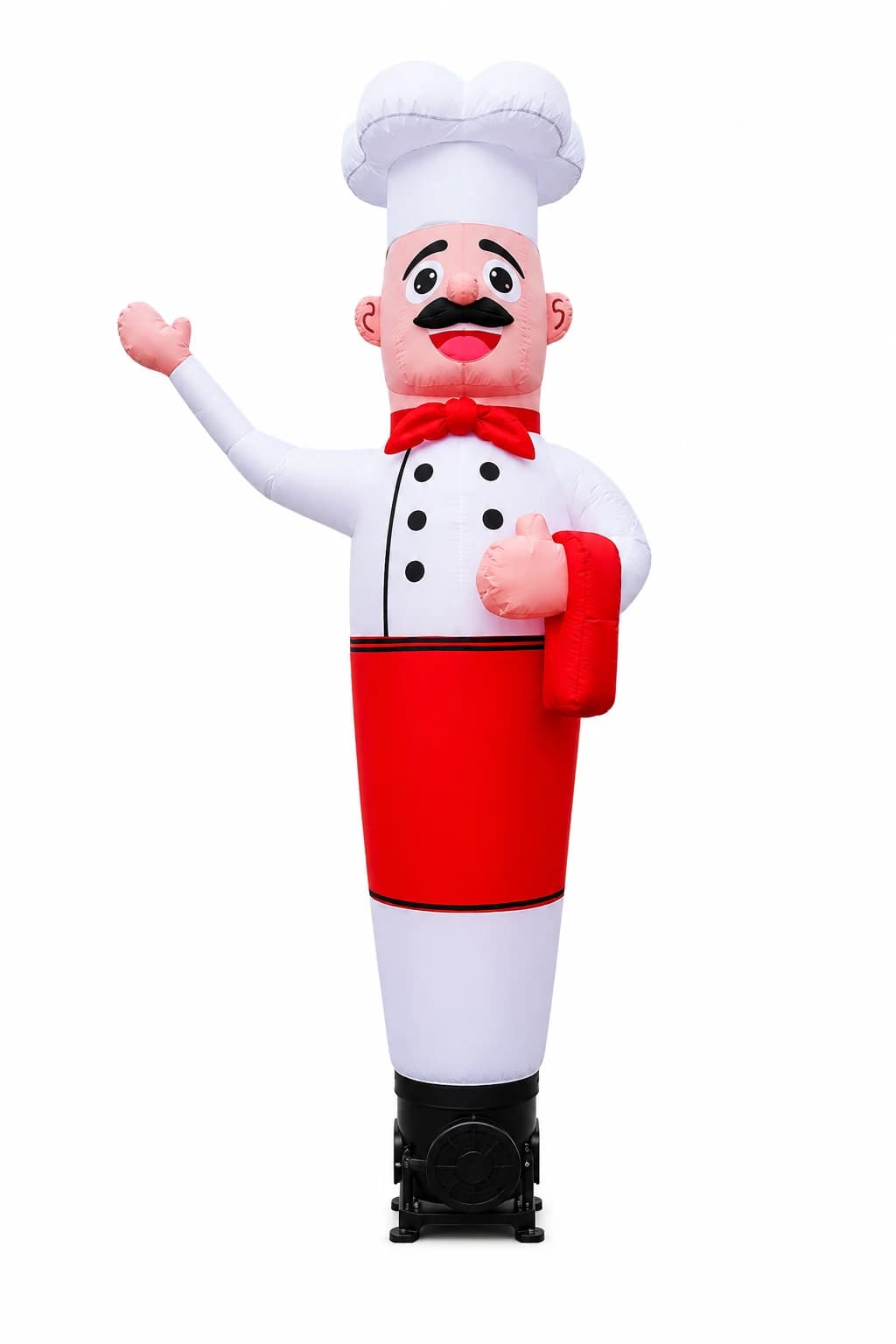
Inflatable Cartoons
Giant Inflatable Chef Air Dancer
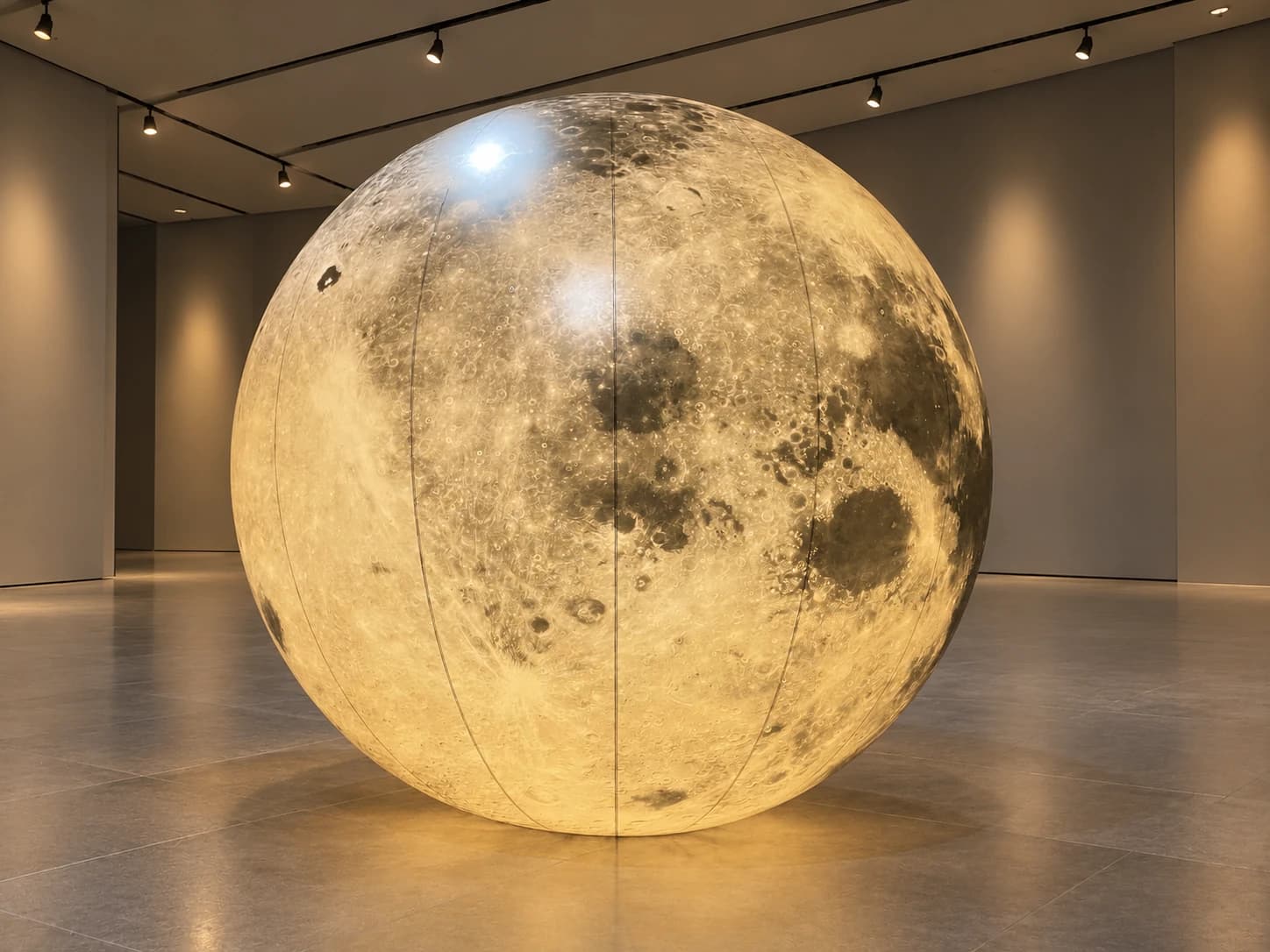
Giant Inflatables
Custom LED Inflatable Moon Stand & Large Moon Ball
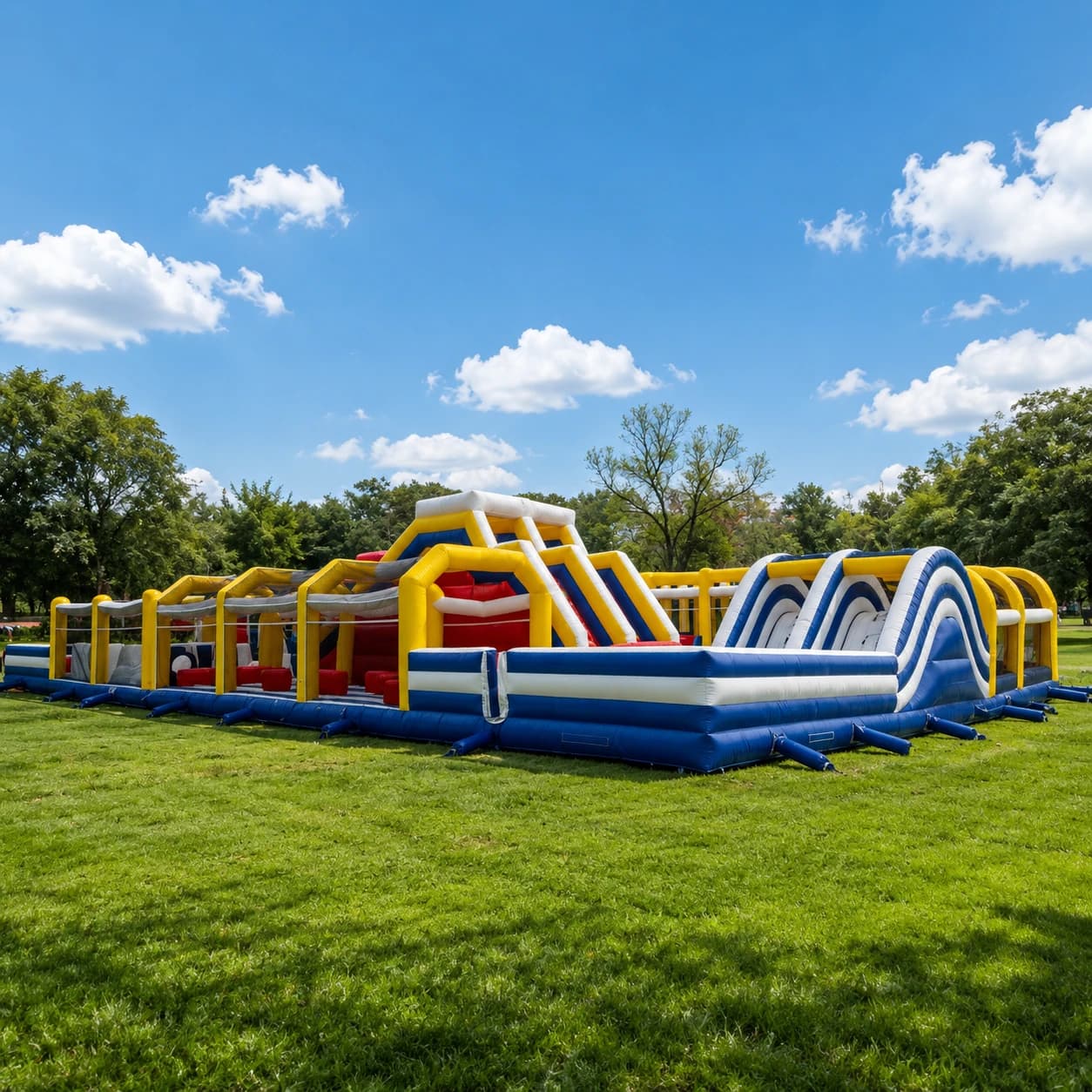
Giant Inflatables
Commercial Grade PVC Inflatable Obstacle Course
Our engineering team is ready to convert your brand identity into a massive, high-impact inflatable display.
Project documents reviewed for destination and venue requirements.
Export shipping options reviewed by destination, size and schedule.
Production Review Support
Project photos or video checks can be arranged before dispatch when confirmed in the order scope.
